
PRACTICAL BOOKKEEPING TRAINING WITH BEV
Learn to Do More Than Record Transactions.
Develop the practical skills to understand, organize and review bookkeeping records with a more systematic approach.
Diagnostic Bookkeeper Foundations is a structured live training program for people who have some bookkeeping experience and want to develop the knowledge and practical skills needed to work with real business records and clients.
Through guided instruction, QuickBooks Online Accountant exercises, a student workbook and a hands-on capstone project, you'll work through the foundations of bookkeeping and learn how to approach common bookkeeping tasks with greater confidence.
Live instruction · QuickBooks exercises · Student workbook · Capstone project
WHY THIS PROGRAM EXISTS
Recording Transactions Is Only Part of the Work.
Knowing how to enter transactions is important, but working with real business records involves more.
Bookkeepers need to understand how transactions affect financial records, recognize when accounts don't reconcile, review financial statements and ask the right questions when something doesn't look right.
This program is designed to help participants develop a more complete understanding of bookkeeping work.

Understand the Foundations
Develop a clearer understanding of the accounting equation, debits, credits and how transactions affect the books.
Build Practical Bookkeeping Skills
Work through transaction recording, chart of accounts setup, bank reconciliations and credit card reconciliations.
Learn to Review Financial Records
Explore financial statements, balance sheet reviews and month-end and quarterly review processes.
Prepare to Work With Clients
Learn about client onboarding, engagement letters, pricing, account access and approaching disorganized financial records.
WHO SHOULD EXPLORE THIS PROGRAM?
Is Diagnostic Bookkeeper Foundations Right for You?
This program is designed for people who have some prior exposure to bookkeeping and want to develop practical skills they can apply in a bookkeeping role or practice.
It may be a good fit if:
You have studied bookkeeping or accounting previously.
You've done some bookkeeping for a business, friend or personal project.
You understand some bookkeeping concepts but want more practical experience.
You want to work for a bookkeeping firm or within a business.
You want to develop the skills needed to take on bookkeeping clients of your own.
You want guided practice using QuickBooks Online Accountant.
This program may not be the right fit if you
You want a formal bookkeeping certification or professional credential.
You are looking for a passive, prerecorded course with no live instruction.
You want to learn bookkeeping without using a computer.
You have no interest in developing practical bookkeeping skills or working with financial records.
This program is designed to develop practical bookkeeping skills rather than provide a formal professional certification.
A note about experience: The course begins with foundational material, so participants with previous bookkeeping experience can use the first two weeks as a refresher. Previous QuickBooks experience is not required.
PROGRAM CURRICULUM
A Structured Learning Path From Bookkeeping Foundations to Practical Application
The program covers five learning modules, progressing from bookkeeping fundamentals to practical application through a capstone project.

MODULE 1 — FOUNDATIONS
Weeks 1–2
Understand the Building Blocks of Bookkeeping
Develop an understanding of the principles behind bookkeeping and how financial transactions affect business records.
Topics include:
What bookkeeping involves.
The accounting equation explained in plain English.
Understanding debits and credits.
Developing a mental model for recording and tracing transactions.
Learning focus: Build a foundation for understanding how transactions are recorded and how they affect the books.
MODULE 2 — THE DAILY WORK
Weeks 3–5
Develop Practical Transaction and Reconciliation Skills
Explore the day-to-day bookkeeping processes involved in maintaining accurate financial records.
Topics include:
Building and reviewing a chart of accounts.
Recognizing problems with an unsuitable chart of accounts.
Recording transactions correctly.
Bank reconciliations.
Credit card reconciliations.
Investigating discrepancies when accounts do not balance
Learning focus: Develop practical experience with transaction recording and account reconciliation.
MODULE 3 — READING THE BOOKS
Weeks 6–7
Understand What Financial Records Are Telling You
Move beyond transaction entry and develop a better understanding of financial statements and account reviews.
Topics include:
The three financial statements and what each communicates.
The Balance Sheet Ghosts framework.
Identifying items that may be incorrectly recorded, missing or unexplained.
Month-end reviews.
Quarterly reviews.
Learning focus: Develop a more systematic approach to reviewing financial records and recognizing areas that need further investigation.
MODULE 4 — THE BUSINESS AROUND THE BOOKS
Weeks 8–10
Understand the Business Side of Bookkeeping
Explore the practical responsibilities involved in starting and managing a client bookkeeping relationship.
Topics include:
Onboarding a new client.
Obtaining access to client accounts.
Understanding engagement letters.
Pricing bookkeeping services.
Approaching disorganized financial records.
Understanding the initial cleanup process.
Learning focus: Develop an understanding of how to establish client relationships, organize your work and approach client records.
MODULE 5 — CAPSTONE
Weeks 11–12
Apply Your Learning to a Practical Bookkeeping Scenario
Bring your learning together through a practical bookkeeping scenario involving a fictional catering business called Carolina Coastal Catering.
Participants receive a deliberately messy QuickBooks file containing issues across the chart of accounts, bank reconciliation and balance sheet, along with other items requiring review.
The project involves:
Reviewing the provided bookkeeping file.
Identifying issues and discrepancies.
Preparing a cleanup plan.
Presenting the findings in class.
Receiving individual feedback from Bev on the submission.
Learning focus: Apply the skills developed throughout the program to a practical bookkeeping review scenario.
WHAT'S INCLUDED?
Training, Practice and Support Throughout the Program
Live Instructor-Led Classes
Participate in instructor-led training sessions covering the program curriculum.
Class Recordings
Classes are recorded and published within 24 hours, allowing you to revisit lessons and catch up if you miss a live session.
Complete Student Workbook
Receive a digital, fillable workbook to accompany your training.
QuickBooks Online Accountant Exercises
Work through practical exercises using QuickBooks Online Accountant.
Cohort Community
Connect with fellow participants through the cohort community during the program.
Individual Capstone Feedback
Receive individual feedback from Bev on your capstone submission.
Lifetime Recording Access
Access class recordings for continued learning, including recordings from future cohorts.
PROGRAM FORMAT
Know What to Expect Before You Enroll
The program is a live online learning experience with practical exercises between classes.
Program duration: 12 weeks
Live class length: 90 minutes
Class frequency: Weekly
Estimated weekly commitment: Approximately five hours, including the live class, workbook and QuickBooks exercises.
Software: QuickBooks Online Accountant
Software access: Participants are guided through setting up a free QuickBooks Online Accountant account in Week 1.
Recordings: Published within 24 hours of each class.
Learning materials: Digital workbook, practical exercises and capstone project.
MEET YOUR INSTRUCTOR
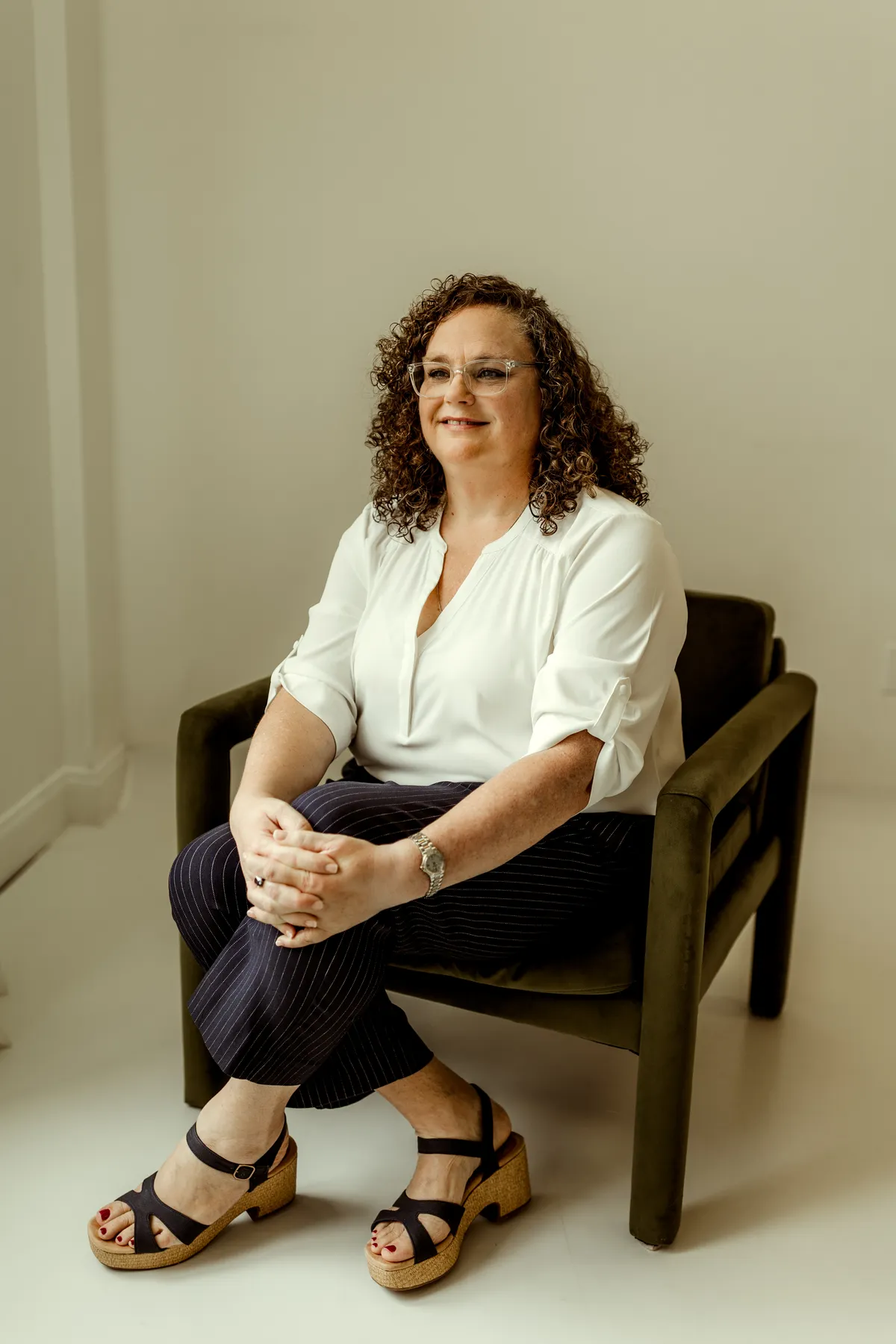
Learn With Bev Ottone
Diagnostic Bookkeeper Foundations is taught by Bev Ottone, a bookkeeping professional with more than 30 years of experience working as a bookkeeper, controller and firm owner.
Through CanAm Bookkeeping & Payroll, Bev serves more than 100 active clients and brings practical experience working with business financial records.
30+ Years of Experience
Working as a bookkeeper, controller and firm owner.
100+ Active Clients
Served through CanAm Bookkeeping & Payroll.
$4 Million+ in Fraud Identified and Documented
Experience identifying and documenting fraud across client books.
Best of Georgia 2025
Recognized in the Accounting category.
WHAT YOU CAN EXPECT TO DEVELOP
Build a Stronger Foundation for Practical Bookkeeping Work
Through this program, you'll develop the ability to
Understand the accounting equation and how transactions affect financial records.
Record transactions and work with charts of accounts.
Perform bank and credit card reconciliations.
Understand the three financial statements.
Review balance sheet accounts and identify items requiring further attention.
Work through month-end and quarterly review processes.
Understand client onboarding and bookkeeping engagement arrangements.
Approach client cleanup work in a more organized way.
Apply bookkeeping knowledge to a practical QuickBooks scenario.
The program is designed to develop practical bookkeeping skills. It does not guarantee employment, clients, income or professional certification.
ENROLLMENT OPTIONS
Choose Your Learning Experience
Whether you prefer the structured Standard experience or more individual access to Bev, choose the enrollment option that suits your learning needs.
STANDARD SEAT
$2,497
Or 2 payments of $1,297
Your Standard enrollment includes:
10 live classes with recordings.
Complete workbook and QuickBooks Online exercises.
Cohort community access.
Individual capstone feedback.
Lifetime recording access.
Founding rate locked for future courses.
FOUNDING VIP
MOST DIRECT ACCESS
$3,494
Or 2 payments of $1,797
Everything included in Standard, plus:
Five private 30-minute one-on-one sessions with Bev.
Priority responses to questions between classes.
First seat on Diagnostic Bookkeeper: Cleanup (Course 2).
FAQ
Frequently Asked Questions
1. Do I need previous bookkeeping experience?
The program is intended for people who have had some exposure to bookkeeping. The first two weeks cover foundational concepts, while later weeks progress into practical bookkeeping tasks and client work.
2. Do I need to know QuickBooks before enrolling?
No. Participants are guided through setting up a free QuickBooks Online Accountant account in Week 1.
3. Is this course live or prerecorded?
The program is delivered as a live cohort, with class recordings published within 24 hours.
4. What happens if I miss a live class?
Class recordings are made available within 24 hours, allowing you to catch up and revisit the material.
5. How much time should I set aside each week?
The estimated commitment is approximately five hours per week, including the live class, workbook and QuickBooks exercises.
6. Does this course teach fraud detection?
No. Diagnostic Bookkeeper Foundations focuses on bookkeeping foundations and practical bookkeeping work. Fraud detection is covered in a later course in the Diagnostic Bookkeeper series.
7. Will I receive a professional certification?
No. This program is not a formal professional certification or credential.
8. Can I use these skills to work for a company?
The program is relevant to people who want to establish their own bookkeeping practice as well as those interested in working for a bookkeeping firm or within a business.
9. What happens during the capstone?
You'll work with a fictional catering company's QuickBooks file, identify issues, prepare a cleanup plan and present your findings. Individual feedback is provided by Bev.
10. What is the difference between Standard and VIP?
Standard includes the live training, recordings, workbook, QuickBooks exercises, cohort community, individual capstone feedback and lifetime recording access.
VIP includes everything in Standard, plus five private 30-minute sessions with Bev, priority responses to questions between classes and first seat on Diagnostic Bookkeeper: Cleanup (Course 2).
11. How much does enrollment cost?
Standard: $2,497 or two payments of $1,297.
Founding VIP: $3,494 or two payments of $1,797.
Learn to See More in the Books.
Develop your bookkeeping knowledge through guided instruction, practical exercises and a capstone project designed to bring your learning together.
Choose your enrollment option and take the next step with Diagnostic Bookkeeper Foundations.